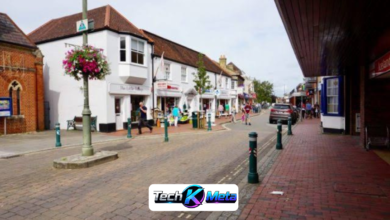
Eastoft is a charming village in Lincolnshire, England, surrounded by peaceful countryside, open farmland, and the traditional landscapes that make this county unique. The village offers a wonderful example of rural English life, where history, agriculture, and community values continue to influence the character of the area. Despite being a small settlement, Eastoft has a fascinating story shaped by generations of residents who have contributed to its development and preservation.
For those interested in discovering hidden locations across the UK, Eastoft provides an opportunity to explore a quieter side of Lincolnshire. The village represents the beauty of rural communities, where visitors can enjoy scenic surroundings, historical connections, and a slower pace of life. This guide explores the history, location, community, attractions, and modern identity of Eastoft while highlighting what makes this Lincolnshire village special.
The Historical Background and Heritage of Eastoft
The history of Eastoft is deeply connected to the agricultural traditions that have shaped much of Lincolnshire. Like many villages in the region, Eastoft developed around farming communities that relied on the surrounding land for their livelihoods. The fertile landscape supported agricultural activities, helping the village grow while creating a strong relationship between local people and the countryside.
Over many centuries, Eastoft has experienced gradual changes while maintaining its traditional village identity. Improvements in farming methods, transportation, and communication have transformed daily life, but the importance of heritage remains strong. The village continues to reflect the history of rural Lincolnshire through its landscape, community traditions, and connection to the generations who have lived there.
Understanding Eastoft history provides valuable insight into how small villages across England have evolved. These communities often preserve stories that are not always found in major towns and cities. Eastoft represents the resilience of rural settlements and demonstrates how villages can adapt to modern times while keeping their historical character alive.
The Location and Natural Surroundings of Eastoft
Eastoft is located within the scenic countryside of Lincolnshire, an area known for its wide landscapes, farmland, and peaceful rural environment. The village enjoys a setting surrounded by open fields and natural beauty, making it an attractive location for those who appreciate countryside views and traditional English scenery. Its position allows residents and visitors to enjoy the calm atmosphere associated with village life.
The surrounding areas near Eastoft provide many opportunities for exploration. Lincolnshire is famous for its historic villages, nature areas, and countryside routes, offering plenty of options for walking, photography, and discovering local heritage. Eastoft’s location makes it a peaceful base for exploring the wider county while experiencing the charm of a traditional rural community.
The landscape around Eastoft also reflects the agricultural importance of Lincolnshire. The open fields and carefully managed countryside show the long relationship between people and the land. This connection between nature and community continues to influence the identity of the village today.
Community Life and Everyday Living in Eastoft

Community spirit is one of the most important features of life in Eastoft. Small villages often create strong relationships between residents, and Eastoft reflects this traditional sense of neighbourliness. People living in the village benefit from a peaceful environment where local connections and shared experiences remain important parts of everyday life.
Living in Eastoft offers many advantages for those seeking a quieter lifestyle. The village provides a break from the noise and pressure of larger urban areas, allowing residents to enjoy open spaces, fresh air, and a closer connection with nature. The surrounding countryside creates an attractive setting for families, retirees, and anyone who values rural living.
Although Eastoft maintains its traditional character, the village has also adapted to modern expectations. Technology, improved transport links, and changing lifestyles have helped residents stay connected with the wider world. This balance between traditional village values and modern convenience allows Eastoft to remain a welcoming and comfortable place to live.
Exploring Attractions and Places Near Eastoft
While Eastoft itself is known mainly for its peaceful atmosphere and rural charm, the surrounding Lincolnshire region offers many interesting places to explore. Visitors can enjoy countryside walks, discover nearby villages, and experience the natural beauty that makes the county popular among those looking for relaxing destinations.
The area around Eastoft provides opportunities for people who enjoy outdoor activities. Walking through the countryside allows visitors to appreciate the landscape, observe local wildlife, and experience the tranquillity of rural England. The village is also a suitable destination for photographers and history enthusiasts who enjoy discovering less-known locations.
Exploring places near Eastoft gives visitors a broader understanding of Lincolnshire’s heritage. From historic settlements to scenic landscapes, the county offers a variety of experiences. The village acts as a reminder that some of the most interesting places in England are often found away from major tourist centres.
Agriculture and the Farming Heritage of Eastoft
Agriculture has played a major role in shaping Eastoft and the surrounding Lincolnshire countryside. Farming has influenced the landscape, local economy, and traditions of the area for generations. The fields surrounding the village represent the importance of agricultural work and the dedication of communities that have depended on the land throughout history.
The farming heritage of Eastoft reflects the wider agricultural reputation of Lincolnshire. The county has long been recognised for its productive farmland and rural industries. Farming communities have helped maintain the countryside while passing down knowledge and traditions from one generation to the next.
Today, modern agricultural methods have changed many aspects of rural life, but the connection between Eastoft and farming remains strong. The village continues to represent the importance of agriculture in preserving the character and identity of Lincolnshire communities.
Modern Developments and the Future of Eastoft
Modern Eastoft combines traditional village values with the advantages of contemporary living. While the village remains closely connected to its history and countryside surroundings, changes in technology and communication have created new opportunities for residents. Like many rural communities, Eastoft continues to evolve while protecting the features that make it distinctive.
The future of Eastoft depends on maintaining a balance between development and preservation. Protecting the village’s rural environment, heritage, and community atmosphere will remain important as new generations become part of the area. Sustainable growth can help ensure that the village continues to thrive without losing its unique character.
Eastoft demonstrates how small communities can successfully adapt to change. By respecting its past while embracing the future, the village continues to represent the best qualities of rural Lincolnshire. Its history, landscape, and community connections make it an important part of the county’s identity.
Why Eastoft Is Worth Discovering
Eastoft may be a small village, but it offers a rich combination of history, countryside beauty, and community spirit. The village provides an excellent example of traditional Lincolnshire life, showing how rural communities continue to preserve their heritage while adapting to modern challenges.
For visitors searching for peaceful destinations, Eastoft offers a chance to experience authentic village life away from crowded locations. Its agricultural background, scenic surroundings, and welcoming atmosphere make it an interesting place to explore. The village highlights the importance of protecting local history and celebrating the unique stories found throughout England’s countryside.
Eastoft remains a reminder that every village has a story worth discovering. Through its landscapes, traditions, and people, the village continues to represent the timeless charm of Lincolnshire.
The Importance of Preserving Eastoft’s Local Heritage
Preserving the heritage of Eastoft is important because small villages like this hold valuable stories about England’s rural past. Historic communities provide a connection between previous generations and modern residents, allowing people to understand how lifestyles, industries, and landscapes have changed over time. The traditions, buildings, and countryside surrounding Eastoft all contribute to the village’s unique identity and cultural importance.
Local heritage is not only about old structures or historical events but also about the people and traditions that continue to shape the community. Eastoft represents the everyday history of rural Lincolnshire, where farming families, village relationships, and connections with the land have created a lasting legacy. Protecting this heritage ensures that future generations can appreciate the character and history of the village.
The Natural Beauty and Countryside Around Eastoft
The countryside surrounding Eastoft is one of the village’s most attractive features. Lincolnshire is known for its wide skies, peaceful fields, and open landscapes, and Eastoft benefits from this beautiful natural environment. The rural setting creates a relaxing atmosphere where visitors can enjoy fresh air, scenic views, and the simple beauty of the English countryside.
Nature lovers visiting Eastoft can appreciate the variety of wildlife and landscapes found throughout the surrounding area. The peaceful farmland and countryside paths provide opportunities for walking, photography, and enjoying outdoor activities. The natural surroundings help create the village’s calm atmosphere and contribute to the quality of life enjoyed by local residents.
The landscape around Eastoft also tells a story about the relationship between people and nature. Generations of farmers have shaped the countryside while working alongside natural processes. This connection between agriculture and the environment remains an important part of the village’s character and continues to influence how the area looks today.
Eastoft and the Wider Lincolnshire Identity
Eastoft is an important example of the traditional villages that contribute to the identity of Lincolnshire. The county is recognised for its historic settlements, agricultural landscapes, and strong rural traditions. Villages such as Eastoft help preserve the character of the region by maintaining connections to the past while adapting to modern changes.
The identity of Eastoft is shaped by more than its location alone. It represents the values often associated with rural England, including community, resilience, and respect for the countryside. These qualities make the village an interesting subject for those researching Lincolnshire history or exploring lesser-known destinations across the UK.
By understanding places like Eastoft, people gain a deeper appreciation of the smaller communities that form an important part of England’s heritage. While large cities often attract attention, villages provide equally valuable stories about culture, history, and everyday life.
Transport and Accessibility Around Eastoft
Although Eastoft has a peaceful rural setting, it remains connected to nearby areas through local roads and transport routes. Accessibility allows residents to enjoy the benefits of village life while remaining within reach of essential services, larger towns, and regional attractions. This balance between rural tranquillity and practical connections makes the area appealing to many people.
For visitors, reaching Eastoft provides an opportunity to explore a quieter part of Lincolnshire. Travelling through the countryside allows people to experience the changing landscapes, traditional villages, and agricultural areas that define the county. The journey itself can become part of the experience, offering views of the scenic environment surrounding the village.
Good connections are also important for the future development of Eastoft. Maintaining access to nearby communities helps support local residents while ensuring that the village remains connected in an increasingly modern world. Rural accessibility plays an important role in allowing villages to continue thriving.
The Role of Eastoft in Modern Rural England
Eastoft represents many of the qualities that continue to make rural England attractive. The village demonstrates how traditional communities can maintain their identity while adapting to changing circumstances. Modern rural life is different from the past, but places like Eastoft continue to preserve important values such as community involvement, connection with nature, and appreciation of local heritage.
The future of villages across England depends on finding the right balance between conservation and progress. Eastoft shows how rural communities can embrace improvements while protecting the features that make them special. Maintaining the village environment, supporting local connections, and respecting history will help ensure its continued importance.
As interest in countryside living grows, villages like Eastoft may become increasingly valued. Many people are looking for places that offer peace, natural beauty, and a stronger sense of community. Eastoft provides an example of how traditional villages can remain relevant in the modern age.
Conclusion
Eastoft is a remarkable example of a traditional Lincolnshire village where history, agriculture, nature, and community come together. Its peaceful surroundings and strong rural identity make it an interesting place for visitors, researchers, and anyone interested in the hidden stories of England’s countryside. The village reflects the long relationship between people and the land, showing how communities develop and adapt through generations.
From its agricultural heritage to its modern lifestyle, Eastoft continues to represent the charm of rural Lincolnshire. The village may be small, but its history and character demonstrate the importance of preserving local communities across the UK. Exploring Eastoft offers a chance to appreciate the beauty of village life and discover a unique part of England’s heritage.
With its countryside setting, welcoming atmosphere, and fascinating background, Eastoft remains a special location within Lincolnshire. Whether learning about its past, exploring its surroundings, or understanding its community spirit, the village provides a meaningful example of the enduring appeal of rural England.
Frequently Asked Questions
Where is Eastoft located?
Eastoft is a village situated in Lincolnshire, England. It is surrounded by countryside and farmland, offering a peaceful rural setting typical of the county.
What makes Eastoft interesting?
Eastoft is interesting because of its history, agricultural heritage, countryside surroundings, and traditional village atmosphere. It provides insight into rural life in Lincolnshire.
What is Eastoft known for?
Eastoft is known for its farming connections, peaceful environment, and role as a traditional Lincolnshire village with strong community values.
Is Eastoft a good place to visit?
Yes, Eastoft can be an enjoyable place to visit for people interested in countryside scenery, local history, and discovering quieter locations in England.
What is life like in Eastoft?
Life in Eastoft is generally peaceful, with residents enjoying a close community, rural surroundings, and a slower pace compared with larger towns and cities.
How old is Eastoft?
Eastoft has historical roots connected with the development of Lincolnshire settlements. Its identity has been shaped through centuries of farming and community life.
What can visitors explore around Eastoft?
Visitors can explore countryside landscapes, nearby villages, walking routes, and other attractions across Lincolnshire while enjoying the peaceful character of the area.
Also Read: susan travers