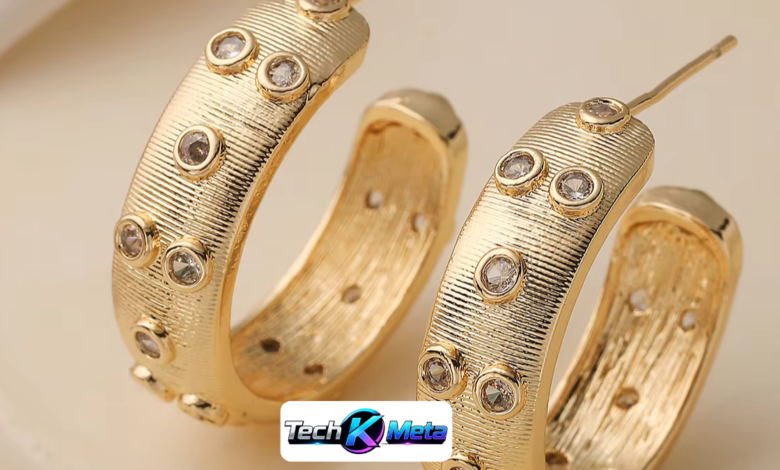
A scaffold piercing bar is a distinctive jewellery choice that connects two cartilage piercings across the upper ear. Often known as an industrial piercing, this style has become popular for its bold appearance and versatile styling possibilities. Unlike a simple lobe piercing, it involves cartilage and requires careful placement, suitable jewellery and consistent aftercare. Understanding the basics before getting pierced can help you make a confident and informed decision.
The appeal of this piercing comes from its combination of structure and personality. A carefully chosen scaffold piercing bar can create anything from a clean minimalist appearance to a striking alternative look. However, appearance should not be the only consideration. Your ear anatomy, lifestyle, jewellery material, sizing and healing routine all play an important role in achieving a comfortable result and maintaining the piercing properly.
What Is a Scaffold Piercing Bar?
A scaffold piercing bar is a straight piece of jewellery that passes through two separate cartilage openings, usually positioned along the upper part of the ear. The bar creates a single connected design and gives the piercing its recognisable industrial appearance. Because the jewellery joins two points, accurate placement is particularly important, and an experienced professional should assess the ear before carrying out the piercing.
Every ear has a slightly different shape, so a traditional industrial arrangement may not be suitable for everyone. A professional piercer can examine the folds, angles and available space around the ear before recommending an appropriate placement. This is important because forcing a particular jewellery style onto unsuitable anatomy could lead to unnecessary pressure, irritation or difficulty during the healing process.
Choosing the Right Scaffold Piercing Bar
Choosing suitable jewellery is an important part of the overall piercing experience. A high-quality bar should be made from a body-safe material and fitted according to the Scaffold Piercing Bar individual ear. Implant-grade titanium is often a popular option for new piercings because it is lightweight, durable and generally well tolerated. The quality of the jewellery can make a meaningful difference to comfort, particularly while the cartilage is healing.
Length and thickness should also be considered carefully. A bar that is too short may place pressure on swollen tissue, while one that is excessively long can move more than necessary and catch on hair or clothing. Rather than selecting jewellery based purely on appearance, it is better to allow a qualified piercer to determine the appropriate size. Correct fitting can help reduce avoidable irritation and support a smoother healing process.
Scaffold Piercing Bar Styles and Jewellery Ideas
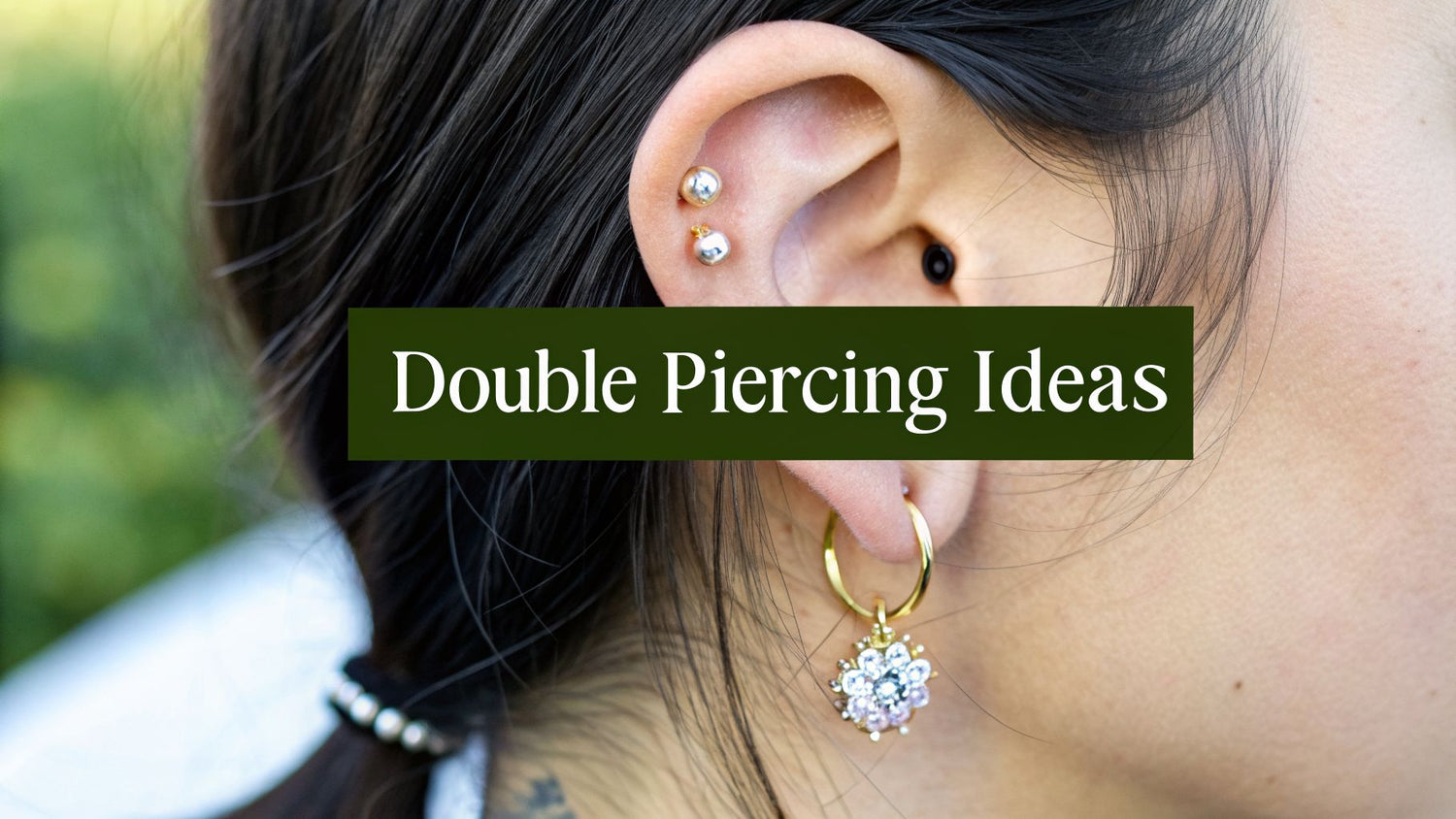
One of the most enjoyable aspects of this piercing is the variety of jewellery designs available. A simple polished bar can create a subtle and modern appearance, while decorative ends, gemstones and unusual shapes can make the ear more expressive. Different finishes can also change the overall mood, allowing wearers to choose jewellery that reflects their personal style without changing the basic piercing arrangement.
After the piercing has fully healed, it can become part of a wider ear-styling collection. Small studs, hoops and other cartilage jewellery can be arranged around the main bar to create a balanced ear stack. Some people prefer matching metal finishes for a coordinated appearance, while others enjoy mixing textures and designs. The key is to make style choices that remain comfortable and suitable for the ear.
Scaffold Piercing Bar Sizing and Fit
Getting the correct size is essential for both comfort and appearance. Unlike jewellery selected simply from a standard chart, an industrial-style bar needs to correspond with the shape and distance between two individual piercing points. Swelling during the early healing period can also affect the amount of space required. For this reason, professional measurement is preferable to guessing the correct size yourself.
As the piercing settles, the jewellery may require professional assessment to determine whether its fit remains appropriate. A bar that presses against the ear can contribute to irritation, while excessive movement may also disturb healing tissue. If you notice persistent pressure or discomfort, avoid making random jewellery changes. Instead, ask a reputable piercer to inspect the fit and recommend the most suitable solution.
Scaffold Piercing Bar Healing Time
Cartilage piercings generally require more patience than standard earlobe piercings. The healing period can vary significantly between individuals, depending on anatomy, lifestyle, jewellery quality, placement and aftercare. It is therefore unwise to assume that a piercing is completely healed simply because the outer skin looks normal. Internal tissue may still be recovering and can remain sensitive to pressure or movement.
During healing, some tenderness, mild swelling and sensitivity can occur, particularly during the early stages. However, symptoms that become increasingly severe or remain unusually persistent deserve professional attention. A qualified piercer can assess jewellery placement and irritation, while a healthcare professional can provide medical advice when appropriate. Allowing the body sufficient time to heal is one of the most important parts of the process.
Scaffold Piercing Bar Aftercare
Good aftercare should be gentle, consistent and uncomplicated. Follow the specific cleaning instructions provided by your professional piercer, and avoid unnecessary touching throughout the healing period. Hands can transfer dirt and bacteria to a healing piercing, while repeatedly moving or twisting the jewellery may irritate delicate tissue. The goal of aftercare is to support natural healing rather than constantly interfere with the piercing.
Everyday habits can also affect recovery. Sleeping directly on the ear, wearing tight headphones or repeatedly catching the jewellery on clothing may create pressure and friction. Hair can become caught around the bar as well, so extra care may be useful when brushing or styling it. Small adjustments to daily routines can help protect the piercing and make the healing period more comfortable.
How to Clean a Scaffold Piercing Bar Safely
Cleaning should be gentle and follow the aftercare method recommended by your qualified piercer. Avoid harsh household substances, aggressive scrubbing and excessive cleaning, as these approaches can irritate the surrounding tissue. Before touching the area for necessary care, wash your hands thoroughly. Keeping the routine simple can make it easier to maintain consistently without causing unnecessary disturbance.
After cleaning, allow the area to dry carefully rather than rubbing it with a rough towel. Do not pick at crusting or deliberately move the jewellery to inspect the piercing. Healing tissue benefits from minimal interference. If you are uncertain about the correct cleaning method, asking your professional piercer for specific guidance is preferable to experimenting with products that may not be suitable.
Common Scaffold Piercing Bar Problems
Irritation can develop for several reasons, including pressure, friction, accidental knocks, poor jewellery sizing or excessive handling. Sleeping on the piercing can be particularly troublesome because repeated pressure may disturb the cartilage. Hair, headphones and clothing can also catch on the jewellery. Identifying these everyday sources of irritation can help you protect the piercing more effectively during its healing period.
Not every change around a piercing means there is a serious problem, but concerning symptoms should not be ignored. If pain, swelling or other unusual symptoms are severe, persistent or getting worse, seek appropriate professional advice. A piercer can assess the jewellery and placement, while a healthcare professional should be consulted when there are possible signs of infection or another medical concern.
When Can You Change a Scaffold Piercing Bar?
Changing jewellery too soon can interrupt the healing process and cause additional irritation. A piercing may appear healthy from the outside while deeper tissue is still developing, so visual appearance alone is not a reliable indication that it is ready for new jewellery. Patience is particularly important with cartilage piercings because their healing process can take considerably longer than many people expect.
A qualified piercer can assess the piercing before recommending a jewellery change or adjustment. When replacement jewellery is appropriate, it should still be correctly sized and made from a suitable material. Avoid changing jewellery simply to follow a trend or create a new style during early healing. Protecting the piercing first will give you much more freedom to experiment once it has properly settled.
How to Style a Scaffold Piercing Bar
Styling possibilities range from understated and elegant to bold and alternative. A plain bar can create a neat appearance, while decorative ends can add sparkle or character. Jewellery with interesting shapes can also turn the piercing into a focal point. Because the bar naturally attracts attention, even a relatively simple design can have a strong visual effect when positioned correctly.
For a complete ear stack, balance the larger bar with smaller jewellery pieces. A few carefully chosen studs or hoops can complement the main piercing without making the ear look overcrowded. Matching metals can provide a refined appearance, whereas mixed finishes can create a more individual style. Whatever look you choose, jewellery should always remain properly fitted and comfortable.
Is a Scaffold Piercing Bar Right for You?
Before choosing this piercing, consider how it fits into your everyday lifestyle. Activities involving helmets, headphones or contact sports may create additional pressure around the ear. Sleeping habits can also become important because regularly resting on a fresh cartilage piercing may cause irritation. Thinking about these factors beforehand can help you decide whether the style is practical for your routine.
Your ear anatomy is another important consideration. An experienced piercer should assess the shape and structure of the ear before confirming the placement. If the traditional arrangement is unsuitable, a professional may suggest another piercing style that better matches your anatomy. It is better to choose a comfortable and appropriate alternative than to compromise the health of the ear simply to achieve a particular appearance.
How to Choose a Professional Piercer
A reputable piercer should demonstrate strong hygiene standards, use appropriate sterile equipment and have experience with cartilage piercings. They should also examine your anatomy rather than immediately proceeding with a requested placement. A professional consultation provides an opportunity to discuss jewellery materials, bar sizing, expected healing and aftercare before the procedure begins.
It is sensible to ask questions during the consultation. Find out what jewellery material will be used, how the bar will be measured and what aftercare guidance will be provided. A trustworthy professional should be comfortable explaining the process clearly. Good communication can help you understand what to expect and can make it easier to identify potential problems during the healing period.
Scaffold Piercing Bar Dos and Don’ts
During healing, keep the area clean and minimise unnecessary contact. Wash your hands before touching the piercing for essential care, protect it from pressure and avoid deliberately twisting or rotating the jewellery. Be careful when sleeping, brushing your hair and changing clothes. These simple habits can reduce accidental knocks and help prevent avoidable irritation.
Avoid harsh cleaning products, excessive handling and premature jewellery changes. Do not pick at crusting or repeatedly move the bar simply to check whether it is still in place. If something appears unusual, seeking professional advice is a safer approach than experimenting with home treatments. Good aftercare is mainly about consistency, cleanliness, patience and protecting the healing tissue.
Scaffold Piercing Bar: Key Things to Remember
The most important factors are professional placement, suitable jewellery, correct sizing and careful aftercare. A scaffold piercing bar connects two cartilage piercings, so its fit needs to be considered carefully rather than treated like ordinary ear jewellery. Taking time to choose an experienced piercer and appropriate materials can provide a better foundation for comfortable healing and long-term wear.
Once the piercing has healed fully, there is greater freedom to explore decorative jewellery and creative styling. You can experiment with different finishes, ends and combinations with other ear pieces. However, attractive jewellery should never come at the expense of comfort or fit. The best result combines personal style with sensible jewellery choices and responsible care.
Conclusion
A scaffold piercing bar offers a distinctive way to express personal style while creating a strong focal point across the upper ear. Its unusual two-point design makes it different from ordinary ear piercings, but that difference also means it requires thoughtful planning. Choosing a reputable professional, selecting suitable jewellery and understanding the healing process are all important before committing to the piercing.
With appropriate care and patience, the piercing can become a versatile part of a wider jewellery collection. Whether you prefer a minimalist bar, decorative ends or a carefully coordinated ear stack, comfort should remain the priority. By paying attention to sizing, aftercare, lifestyle factors and professional advice, you can enjoy the distinctive appearance of this piercing while supporting a healthier healing journey.
Frequently Asked Questions
What is a scaffold piercing bar?
A scaffold piercing bar is a straight piece of jewellery connecting two cartilage piercings across the upper ear.
How long does a scaffold piercing take to heal?
Cartilage healing can take several months or longer, depending on individual anatomy, care and other personal factors.
What material is best for a scaffold piercing bar?
Implant-grade titanium is a commonly preferred option for suitable body jewellery because it is lightweight, durable and generally well tolerated.
Can I change my scaffold piercing bar while it is healing?
Jewellery should not normally be changed unnecessarily during healing unless a qualified piercer recommends an adjustment.
How do I clean a scaffold piercing bar?
Use the gentle aftercare routine recommended by your professional piercer and avoid excessive touching, twisting or scrubbing.
Is a scaffold piercing painful?
Discomfort varies between individuals, but cartilage piercing can be more sensitive than a standard earlobe piercing.
Can I sleep on a scaffold piercing?
Direct pressure should be avoided during healing because sleeping on the piercing can contribute to irritation and discomfort.
What should I do if my scaffold piercing becomes swollen?
Avoid unnecessary handling and seek professional advice if swelling is severe, persistent or accompanied by other concerning symptoms.
Can I wear different styles of scaffold piercing bars?
Yes, a variety of styles are available, although replacement jewellery should be properly fitted and suitable for the stage of healing.
How do I know if my scaffold piercing bar is the right size?
A professional piercer can assess the ear and jewellery to determine whether the bar provides an appropriate fit and sufficient comfort.
Also Read: 01295 area code