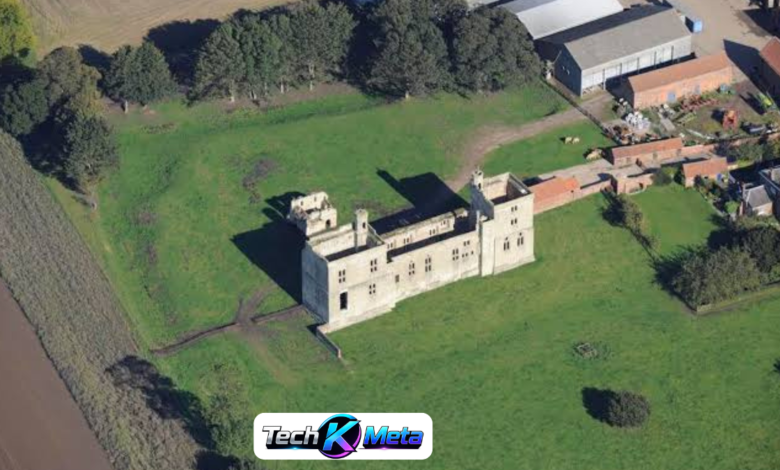
Wressle Castle is a remarkable medieval landmark located in the East Riding of Yorkshire, England. Known for its fascinating history, impressive architecture, and connection with one of England’s most powerful noble families, the castle remains an important part of Yorkshire’s heritage. Although only ruins survive today, the site continues to attract historians, visitors, and anyone interested in the stories behind England’s ancient castles.
The history of Wressle Castle reflects centuries of ambition, power, conflict, and change. Built as a luxurious residence rather than simply a defensive fortress, the castle represented the wealth and influence of its owners. Its surviving remains provide a valuable glimpse into medieval life, showing how noble families lived, managed their estates, and influenced events across England.
The Origins and Early Development of Wressle Castle
The origins of Wressle Castle date back to the medieval period when powerful families constructed grand residences to demonstrate their authority. The castle was created as a prestigious home that combined comfort, style, and security. Unlike many traditional fortresses designed mainly for warfare, it focused on displaying the wealth and social position of its owners.
During its early years, Wressle Castle became an important centre within the surrounding Yorkshire landscape. The estate supported farming, administration, and daily activities connected with noble life. Its location helped the castle become a significant place where decisions were made and where important guests were welcomed by the influential family who controlled the property.
The Percy Family and Their Influence on Wressle Castle
The Percy family played a central role in shaping the story of Wressle Castle. As one of the most influential noble families in northern England, the Percys owned large areas of land and held considerable political power. The castle became a symbol of their status and reflected their importance within medieval society.
Under Percy ownership, Wressle Castle developed into an impressive aristocratic residence. The family invested in creating comfortable living spaces, grand halls, and attractive surroundings that matched their position. The castle was not only a home but also a representation of authority, wealth, and the long-lasting influence of the Percy family throughout Yorkshire and beyond.
The Medieval Architecture and Design of Wressle Castle
The architecture of Wressle Castle demonstrates the skill and creativity of medieval builders. The original design included strong stone walls, large towers, spacious halls, and carefully planned rooms. These features helped create a building that was both practical and impressive, offering protection while also providing a comfortable environment for noble residents.
Although much of the original structure has disappeared over time, the remaining ruins still reveal important details about medieval construction. The stonework and surviving features allow historians to understand how castles were designed and how wealthy families created homes that reflected their lifestyle. Wressle Castle remains an excellent example of medieval residential architecture.
Wressle Castle as a Symbol of Noble Power and Prestige
During its most successful period, Wressle Castle represented the power and influence of its owners. Medieval castles were often more than buildings; they were statements of authority. The size, design, and location of a castle showed the importance of the family that controlled it and their connection to local communities.
The castle provided a setting for important gatherings, political discussions, and social events. Noble families used such residences to manage their estates and strengthen relationships with other influential figures. The history of Wressle Castle shows how castles played a major role in shaping medieval society beyond their defensive purposes.
The Impact of Conflict and the Decline of Wressle Castle
Like many historic castles across England, Wressle Castle experienced a period of decline due to political conflicts and changing circumstances. The English Civil War had a major impact on many noble properties, and the castle suffered damage during this turbulent period. The destruction changed the future of what had once been a magnificent residence.
Following these events, Wressle Castle gradually lost its importance as a living estate. Parts of the structure fell into ruin, and some materials were reused elsewhere. However, the remains have survived as a reminder of the dramatic events that shaped England’s history and the challenges faced by medieval buildings over many centuries.
Exploring the Ruins and Heritage of Wressle Castle Today
Today, the ruins of Wressle Castle offer visitors a chance to explore an important part of Yorkshire’s medieval heritage. The remaining walls and historic landscape create a unique atmosphere that allows people to imagine the castle during its period of greatness. The site provides an opportunity to connect with the stories of past generations.
The preservation of historic places such as Wressle Castle is essential for understanding England’s cultural heritage. The ruins may no longer show the castle’s former grandeur, but they still contain valuable information about medieval architecture, noble families, and historical events. Each remaining section of stone contributes to the continuing story of this fascinating landmark.
Restoration and Preservation Efforts for Wressle Castle
Protecting historic buildings requires careful conservation, and efforts to preserve Wressle Castle help maintain its importance for future generations. Medieval ruins face many challenges, including weather damage, natural decay, and the effects of time. Preservation work ensures that the remaining structures can continue to be studied and appreciated.
The conservation of Wressle Castle also highlights the importance of protecting England’s historic sites. By maintaining these landmarks, communities can keep alive the stories, traditions, and achievements of the past. The castle remains a valuable educational resource for historians, researchers, and visitors interested in discovering Yorkshire’s medieval history.
Interesting Facts About Wressle Castle
There are many fascinating facts connected with Wressle Castle that make it an important historical site. One of its most notable features is its connection with the Percy family, who were among the most powerful nobles in England. The castle’s design also makes it unique because it focused heavily on luxury and status.
Another interesting aspect of Wressle Castle is how its ruins continue to provide clues about medieval life. The surviving remains reveal information about construction techniques, living arrangements, and the importance of castles as symbols of power. These details help historians understand how people lived and worked during different periods of English history.
Why Wressle Castle Remains Important Today
Wressle Castle continues to hold great historical value because it represents a significant chapter in Yorkshire’s past. The castle tells a story of medieval ambition, family influence, conflict, and survival. Even though it is no longer a complete building, its ruins continue to inspire curiosity and appreciation.
For visitors and history enthusiasts, Wressle Castle offers a meaningful connection to England’s medieval world. It reminds people of the importance of preserving historic landmarks and protecting the stories they carry. The castle’s legacy continues through research, conservation, and the interest of those who wish to explore Britain’s rich heritage.
Conclusion
Wressle Castle remains one of Yorkshire’s most interesting medieval sites, offering a fascinating insight into England’s historic past. From its origins as a grand noble residence to its transformation into a protected ruin, the castle has experienced centuries of change. Its connection with the Percy family and its architectural importance make it a valuable part of British heritage.
The story of Wressle Castle shows how historic places can continue to inspire people long after their original purpose has disappeared. Through preservation and public interest, the castle remains a powerful reminder of medieval life, noble ambition, and the importance of protecting England’s remarkable historical landmarks.
Frequently Asked Questions
What is Wressle Castle famous for?
Wressle Castle is famous for its medieval history, Percy family connection, and impressive historic ruins in Yorkshire.
Where is Wressle Castle located?
Wressle Castle is located in the village of Wressle in the East Riding of Yorkshire, England.
Who built Wressle Castle?
Wressle Castle was built for the Percy family, one of England’s most powerful noble families.
Why did Wressle Castle become a ruin?
Wressle Castle declined after damage from historical conflicts, including events during the English Civil War.
Can visitors visit Wressle Castle?
Visitors can explore the historic area and view the remaining ruins of Wressle Castle.
Why is Wressle Castle important?
Wressle Castle is important because it preserves valuable evidence of medieval architecture, noble life, and Yorkshire history.
Also Read: english ww2 planes