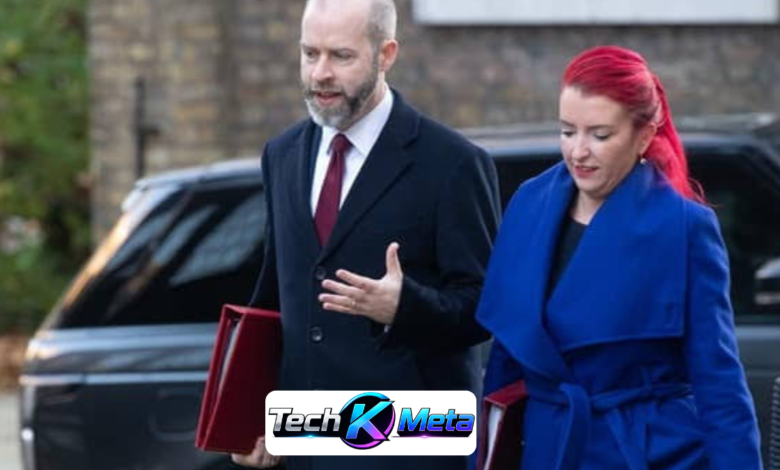
Interest in Louise Haigh Partner has increased significantly as the British politician continues to play an important role in UK politics. While her professional achievements regularly make headlines, many people are equally curious about her personal life. Searches related to her relationship status have grown steadily, with readers hoping to discover whether she has a partner and how much she shares about her life outside Parliament.
Unlike many public figures, Louise Haigh has consistently maintained a clear distinction between her political responsibilities and her private affairs. This article explores everything currently known about Louise Haigh Partner, separates verified facts from speculation, and explains why her relationship status continues to attract attention. The focus remains on accurate, publicly available information while respecting her right to privacy.
Who Is Louise Haigh?
Louise Haigh is a well-known British Labour politician who has represented Sheffield Heeley as a Member of Parliament since 2015. Before entering Parliament, she worked in the public sector and developed a strong interest in improving public services. Throughout her political journey, she has earned recognition for addressing transport, policing, and infrastructure issues that directly affect communities across the United Kingdom.
Her growing influence within the Labour Party has naturally increased public interest in both her professional and personal life. As media coverage of her political career has expanded, searches for Louise Haigh Partner have become increasingly common. However, her reputation is primarily built on her work as a dedicated politician rather than on details of her private relationships.
Louise Haigh Partner: What Is Publicly Known?
The question surrounding Louise Haigh Partner is one that frequently appears in online searches. Despite this curiosity, very little verified information has been made public about her romantic life. Louise Haigh has never been known for discussing her relationships during interviews or political appearances, preferring instead to keep the focus on her public responsibilities.
As a result, there is no widely confirmed information identifying a current partner. While rumours occasionally appear online, responsible reporting requires relying only on credible sources. Readers interested in Louise Haigh Partner should recognise the difference between verified facts and unsupported speculation, particularly in an era where misinformation can spread quickly through social media.
Is Louise Haigh Married?
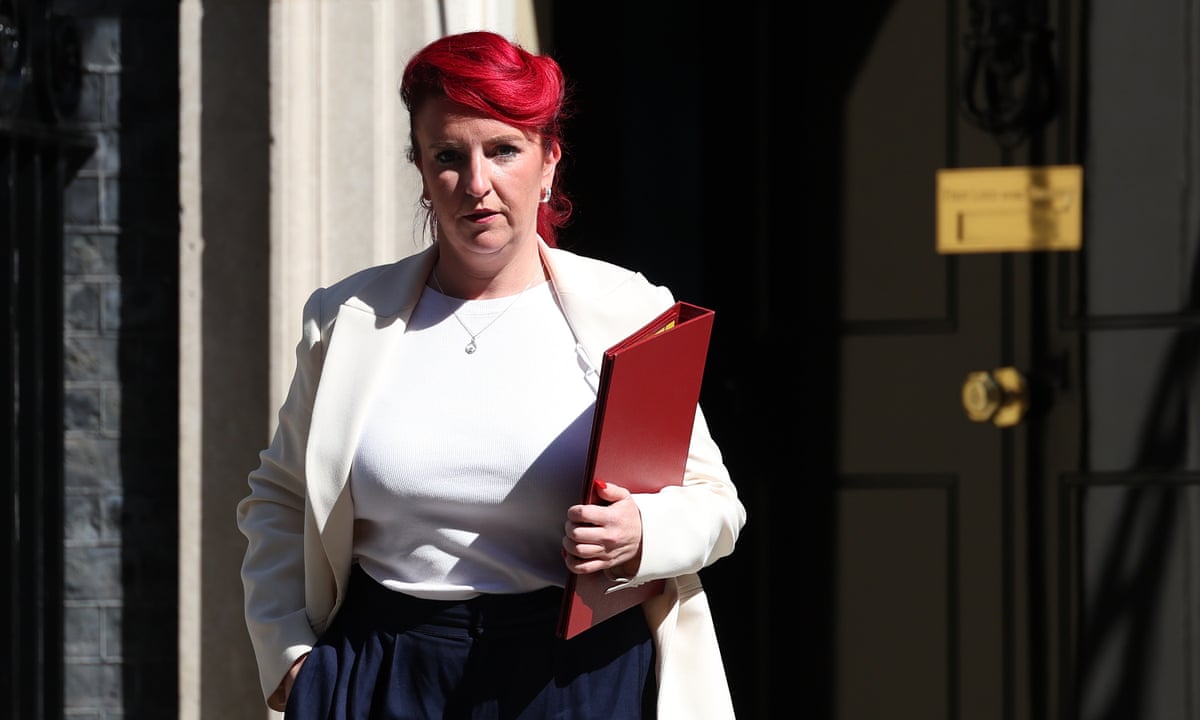
Many people searching for Louise Haigh Partner also want to know whether she is married. Based on publicly available information, there is no confirmed evidence that Louise Haigh is married. She has not made any official announcements regarding a spouse or long-term partner, and reliable media outlets have not reported verified details about her marital status.
This absence of information should not automatically lead to assumptions. Many politicians deliberately keep their personal relationships out of the public eye to maintain privacy and protect family members from unnecessary attention. Respecting those boundaries is important, especially when discussing someone whose public role already attracts significant scrutiny.
Louise Haigh’s Approach to Privacy
Privacy has become increasingly valuable for public figures, and Louise Haigh appears to place considerable importance on keeping her personal life separate from her political career. Rather than discussing relationships, she consistently focuses on policy matters, parliamentary debates, and issues affecting her constituents, reinforcing her image as a politician committed to public service.
This careful approach has likely contributed to the ongoing curiosity surrounding Louise Haigh Partner. While some public figures choose to share personal milestones, others prefer to protect those aspects of their lives. Louise Haigh belongs to the latter group, demonstrating that it is possible to maintain a successful political career while preserving personal privacy.
Louise Haigh’s Political Career and Public Image
Throughout her career, Louise Haigh has built a reputation as a hardworking and knowledgeable politician. She has served in several important frontbench positions, contributing to debates on transport, policing, infrastructure, and public services. Her practical approach and commitment to policy have earned respect among colleagues and constituents alike.
Although online interest in Louise Haigh Partner continues to grow, her public image remains closely tied to her political achievements rather than her private life. Most media coverage highlights her work in Parliament, her contributions to national discussions, and her role within the Labour Party, reflecting the professional focus she has maintained throughout her career.
Why People Search for Louise Haigh Partner
Curiosity about the private lives of politicians is nothing new. People often want to know more about individuals who regularly appear in the news, believing that understanding their personal lives provides additional insight into their personalities. This explains why searches for Louise Haigh Partner have become increasingly common among readers in the UK.
Search engines also contribute to this interest by suggesting frequently searched questions about relationships, marriage, and family. While such searches are understandable, readers should always rely on trustworthy information rather than rumours. Accurate reporting helps ensure that discussions about public figures remain fair, respectful, and based on evidence rather than speculation.
Louise Haigh in the Media
Louise Haigh has received considerable media attention throughout her political career, particularly for her work on transport, policing, and public policy. News outlets generally focus on her parliamentary contributions, leadership roles, and public statements rather than her personal affairs. This professional coverage reflects her commitment to discussing matters of national importance instead of sharing details about her private life.
Even though searches for Louise Haigh Partner continue to attract interest, reputable journalists avoid publishing unverified claims about her relationships. Responsible media organisations understand the importance of balancing public curiosity with an individual’s right to privacy. As a result, most reliable reports concentrate on her political achievements while leaving speculation about her personal life aside.
Interesting Facts About Louise Haigh
Louise Haigh has established herself as one of the recognisable figures in modern British politics through years of dedication and public service. Before entering Parliament, she gained valuable experience working in public service roles, helping shape her understanding of government and community issues. This practical background has influenced many of the policies she has supported throughout her political career.
Although many readers search for Louise Haigh Partner, there are numerous other aspects of her life that deserve attention. She is respected for her commitment to improving transport services, strengthening public infrastructure, and representing the interests of her constituents. Her career demonstrates that determination and public service often define a politician’s legacy far more than personal headlines.
Public Interest in Louise Haigh’s Personal Life
Public curiosity surrounding politicians often extends beyond their official duties. As Louise Haigh has become more prominent within British politics, interest in her personal life has naturally increased. This has resulted in thousands of online searches for Louise Haigh Partner, with many readers hoping to learn more about the person behind the political career.
However, there is an important distinction between healthy curiosity and unnecessary speculation. Public figures deserve the same respect for their private lives as anyone else. Unless Louise Haigh chooses to speak openly about her relationships, the most responsible approach is to rely on verified information and avoid spreading rumours that have no factual basis.
Why Privacy Matters for Public Figures
Maintaining privacy can be particularly challenging for politicians because their professional lives are constantly under public scrutiny. Every appearance, speech, and interview receives significant attention, making it understandable why many elected representatives choose to keep family and relationships away from the spotlight. Louise Haigh appears to have adopted this balanced approach throughout her career.
The continued interest in Louise Haigh Partner demonstrates how easily public attention can shift from professional achievements to personal matters. While curiosity is natural, respecting boundaries allows politicians to focus on serving the public without unnecessary intrusion into their private lives. Responsible readers and journalists alike play an important role in encouraging respectful and factual reporting.
Conclusion
Interest in Louise Haigh Partner is unlikely to disappear, as people naturally want to know more about prominent political figures. However, based on publicly available information, there is currently no confirmed information identifying a partner or confirming her marital status. Louise Haigh has consistently chosen to keep her personal relationships private, allowing her political work to remain the centre of public attention.
Ultimately, Louise Haigh is recognised for her dedication to public service, her work in Parliament, and her contributions to important national issues. While curiosity about Louise Haigh Partner is understandable, readers should rely on trustworthy sources and respect her privacy. Her professional accomplishments continue to define her public image far more than speculation about her personal life.
Frequently Asked Questions
Who is Louise Haigh’s partner?
There is no publicly confirmed information identifying Louise Haigh’s current partner. She has chosen to keep her personal relationships private.
Is Louise Haigh married?
There is no verified public information confirming that Louise Haigh is married.
Why do people search for Louise Haigh Partner?
People are often interested in the personal lives of well-known politicians, leading to frequent online searches about their relationships and family life.
Has Louise Haigh spoken publicly about her relationship?
Louise Haigh has generally kept her private life out of the public spotlight and has rarely discussed her relationships in interviews or public appearances.
What is Louise Haigh best known for?
She is best known for her political career, serving as the Labour MP for Sheffield Heeley and for her work on transport, policing, and public policy.
Does Louise Haigh have children?
There is no publicly verified information regarding whether Louise Haigh has children.
Why does Louise Haigh keep her private life private?
Like many public figures, she appears to separate her professional responsibilities from her personal life, allowing her work and public service to remain the primary focus of media attention.
What should readers know about Louise Haigh Partner?
Readers should understand that there is very little verified public information available. It is always best to rely on credible sources rather than rumours or speculation when seeking information about Louise Haigh Partner.
Also Read: price sisters