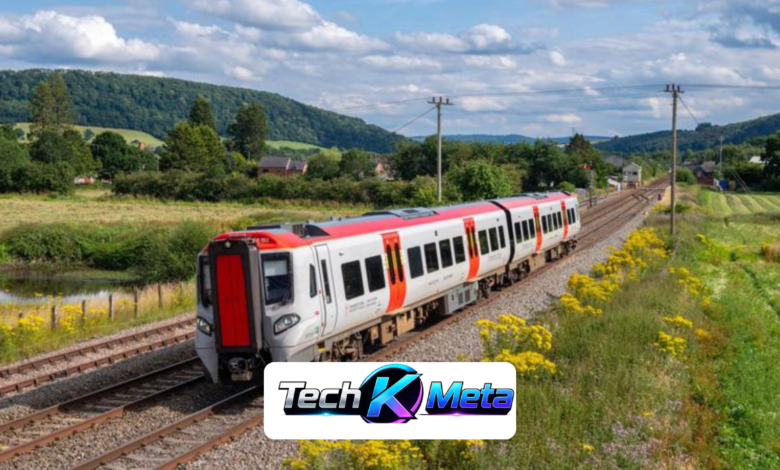
The Class 197 is one of the newest diesel multiple units (DMUs) introduced to improve regional rail travel across the United Kingdom. Built by CAF as part of its well-known Civity family, these trains have been designed to deliver greater comfort, reliability, and efficiency for passengers. They represent an important investment in modern railway transport and help replace older trains that have served the network for decades.
As Britain’s railway industry continues to evolve, the Class 197 has become an essential part of Transport for Wales’ modern fleet. With improved accessibility, advanced technology, and a comfortable interior, these trains meet the needs of both daily commuters and leisure travellers. This guide explores everything you need to know about the Class 197, including its history, specifications, features, routes, and future role in UK rail transport.
What Is Class 197?
The Class 197 is a modern diesel-powered passenger train developed by CAF for Transport for Wales. It belongs to the CAF Civity platform, a family of trains known for combining efficient engineering with passenger-friendly design. The introduction of these trains supports the ongoing modernisation of Britain’s railway network while providing dependable services on routes that are not yet electrified.
Unlike many older diesel trains, the Class 197 has been built with modern operational standards in mind. Spacious interiors, improved accessibility, digital passenger information systems, and advanced safety technology all contribute to a significantly better travelling experience. These features make the train suitable for a wide range of regional and interurban services across Wales and neighbouring parts of England.
History and Development
The development of the Class 197 formed part of a long-term strategy to replace ageing rolling stock with newer, more reliable trains. Many older diesel units had become expensive to maintain and no longer met modern passenger expectations. Transport for Wales therefore invested in a completely new fleet capable of delivering greater reliability and improved customer satisfaction.
CAF was selected as the manufacturer because of its international reputation for producing innovative railway vehicles. After successful testing and certification, the new fleet gradually entered passenger service, bringing noticeable improvements in operational performance. Today, these trains continue to expand across the network, helping create a stronger and more dependable regional railway system.
Specifications and Technical Features
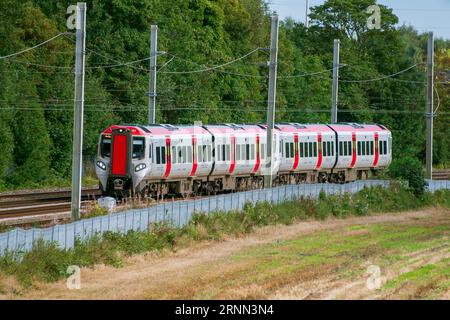
One of the biggest strengths of the Class 197 is its modern engineering. The trains can reach a maximum operating speed of 100 mph (160 km/h), allowing faster regional journeys while maintaining excellent ride quality. Efficient diesel engines provide dependable performance across both urban and rural routes, making them highly versatile for a variety of railway services.
Passengers also benefit from a range of practical features designed to improve comfort and convenience. Air conditioning, spacious seating, accessible toilets, digital information displays, wheelchair spaces, and improved lighting all contribute to a better travel experience. Enhanced safety systems and advanced driver technology further improve reliability and operational efficiency throughout the network.
Routes and Operations
The Class 197 primarily operates under Transport for Wales, serving many important regional routes throughout Wales and into parts of England. These trains connect major cities with smaller towns and rural communities, supporting both business travel and tourism. Their flexibility allows operators to provide consistent services across a variety of different railway lines.
As more units become available, the operational network continues to expand. Replacing older diesel fleets has helped improve punctuality, reduce maintenance costs, and increase passenger confidence. The growing presence of these trains demonstrates Transport for Wales’ commitment to providing reliable and modern public transport for future generations.
Passenger Experience
Passenger comfort has been one of the key priorities behind the design of the Class 197. The interior offers spacious seating arrangements, wide gangways, large windows, and bright lighting to create an open and welcoming atmosphere. Whether travelling for business or leisure, passengers can enjoy a quieter and more relaxing journey compared with many older trains.
Modern facilities further enhance the overall experience. Many services include Wi-Fi, charging sockets, generous luggage storage, bicycle spaces, and improved accessibility for passengers with reduced mobility. These thoughtful additions reflect changing passenger expectations and ensure that journeys remain comfortable, practical, and convenient across a wide range of travel needs.
Benefits and Challenges
The introduction of the Class 197 has delivered significant benefits for both railway operators and passengers. Improved reliability means fewer service disruptions, while modern engineering helps reduce maintenance requirements and operating costs. Better accessibility and passenger facilities also make rail travel more inclusive, encouraging greater use of public transport throughout the region.
Despite these advantages, some challenges remain. As diesel-powered trains, they still rely on conventional fuel rather than electric power. However, their engines are considerably more efficient than those found in older rolling stock, helping reduce emissions while providing a practical solution for routes where electrification has not yet been completed.
Comparison with Other UK Train Classes
When compared with older trains such as the Class 158 and Class 175, the Class 197 offers substantial improvements in both comfort and technology. Modern interiors, quieter operation, upgraded passenger information systems, and improved reliability create a noticeably better travelling experience for passengers using regional railway services.
From an operational perspective, the newer fleet is also easier to maintain and more dependable during daily service. Railway operators benefit from increased efficiency, while passengers enjoy smoother journeys and improved punctuality. These qualities make the train one of the most successful modern diesel multiple units currently operating within the United Kingdom.
Future of Class 197
The future of the Class 197 looks promising as investment in Britain’s railway network continues. Additional units are expected to strengthen regional services further, helping meet increasing passenger demand while improving timetable reliability. Continued infrastructure improvements will also allow these trains to operate even more effectively across a wider range of routes.
Although the railway industry is gradually moving towards greener technologies, diesel trains remain essential on many non-electrified lines. The Class 197 provides an efficient bridge between older railway fleets and future low-carbon transport solutions. Its combination of modern engineering and passenger-focused design ensures it will remain an important part of UK rail travel for many years.
Conclusion
The Class 197 represents an important milestone in the modernisation of Britain’s regional railway network. Built with passenger comfort, operational reliability, and advanced technology in mind, it successfully replaces ageing diesel fleets while delivering a significantly improved travel experience. These trains demonstrate how thoughtful engineering can enhance both efficiency and customer satisfaction.
As regional rail travel continues to grow, the Class 197 will play an increasingly valuable role in connecting communities across Wales and neighbouring regions. Its modern facilities, dependable performance, and practical design make it a worthwhile investment for the future of British railways, ensuring passengers enjoy safer, more comfortable, and more reliable journeys.
Frequently Asked Questions
What is Class 197?
The Class 197 is a modern diesel multiple unit built by CAF for Transport for Wales to provide reliable regional passenger services.
Who manufactures Class 197 trains?
CAF, an international railway manufacturer based in Spain, designs and builds the Class 197 fleet.
Where do Class 197 trains operate?
They mainly operate across Wales and selected routes into England under Transport for Wales services.
What is the top speed of Class 197?
The trains have a maximum operating speed of 100 mph (160 km/h), making them suitable for regional and interurban routes.
What passenger facilities are available?
Passengers can enjoy comfortable seating, air conditioning, Wi-Fi, charging points, accessible toilets, luggage storage, bicycle spaces, and modern passenger information systems.
Why is Class 197 important?
The Class 197 improves reliability, passenger comfort, and operational efficiency while replacing older trains, making it a key part of the UK’s ongoing railway modernisation programme.
Also Read: little bredy dorset