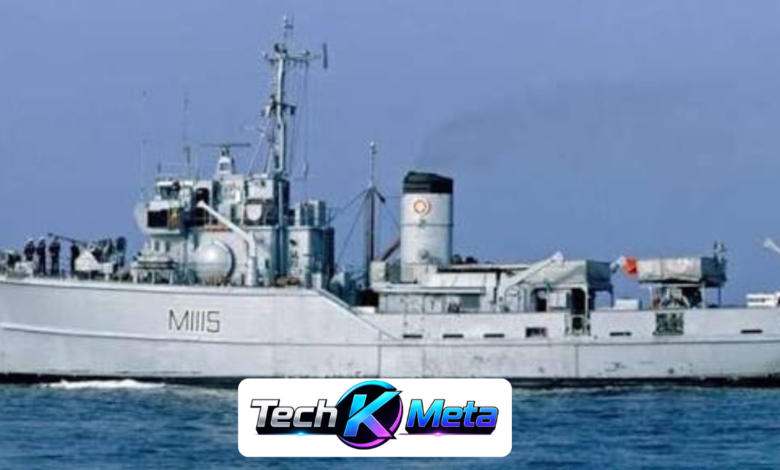
HMS Bronington is one of the most fascinating vessels in the history of the Royal Navy. Although it was built as a practical mine countermeasure ship, it has become widely recognised for its impressive service record and its connection with King Charles III, who served as Prince Charles during his naval career. Today, the ship remains a symbol of British maritime heritage and continues to attract historians, naval enthusiasts, and visitors interested in the Royal Navy’s rich past.
The story of HMS Bronington is about much more than military service. It reflects decades of technological advancement, professional naval training, and Britain’s determination to keep its coastal waters safe. From its construction to its retirement, the vessel demonstrated reliability, precision, and resilience. This article explores its history, operational achievements, preservation efforts, and the lasting legacy that has secured its place among Britain’s most memorable naval ships.
HMS Bronington: An Overview
HMS Bronington was built as a Ton-class minesweeper, a specialised class of ships designed to detect and remove dangerous naval mines from strategic waterways. These vessels played an essential role in protecting commercial shipping routes and military operations during the Cold War. Their innovative design allowed them to operate safely in hazardous environments where conventional ships faced greater risks.
The vessel was carefully constructed using non-magnetic materials to reduce the chance of triggering magnetic mines beneath the sea. This advanced engineering made Ton-class minesweepers among the most effective vessels of their time. Despite its relatively compact size, HMS Bronington offered exceptional manoeuvrability, dependable performance, and outstanding reliability, making it a valuable asset within the Royal Navy fleet.
The History of HMS Bronington
The history of HMS Bronington began during a period when the Royal Navy was investing heavily in modern mine countermeasure capabilities. Following the Second World War, naval mines remained one of the greatest threats to international shipping. As a result, Britain introduced a fleet of highly specialised minesweepers capable of protecting vital sea routes and ensuring maritime security.
After entering active service, HMS Bronington quickly established a reputation for professionalism and operational efficiency. Throughout its naval career, the vessel participated in numerous training exercises, patrol missions, and defence operations. Every assignment strengthened the crew’s expertise while demonstrating the effectiveness of British naval engineering and the importance of dedicated mine countermeasure vessels.
HMS Bronington Service Record
The service record of HMS Bronington highlights years of dependable performance in protecting British and allied waters. Its primary responsibility involved identifying, locating, and safely clearing underwater mines that could threaten naval operations or commercial shipping. These duties required highly trained crews, advanced equipment, and exceptional precision under demanding operational conditions.
Beyond operational deployments, the ship also played a valuable role in naval training programmes. Officers and sailors gained practical experience aboard the vessel, learning essential mine warfare techniques and navigation skills. The professionalism displayed by the crew reflected the Royal Navy’s commitment to maintaining high operational standards throughout the vessel’s distinguished career.
Prince Charles and HMS Bronington
One of the most remarkable chapters in the history of HMS Bronington came when Prince Charles, now King Charles III, assumed command of the vessel during his Royal Navy service. His appointment attracted significant public interest and brought national attention to the ship. While serving as commanding officer, he experienced the responsibilities and challenges associated with leading a specialised Royal Navy vessel.
This royal connection transformed HMS Bronington into more than a historic minesweeper. It became an important part of Britain’s royal and naval heritage, creating lasting public interest that continues today. Many visitors and historians remain fascinated by the relationship between the Royal Family and the Royal Navy, making the vessel one of the most recognised Ton-class minesweepers ever built.
Historical Significance of HMS Bronington
The historical importance of HMS Bronington extends well beyond its operational duties. As part of the Royal Navy’s respected Ton-class fleet, the vessel represented a major advancement in mine countermeasure technology during the Cold War. It demonstrated how specialised ships could protect essential shipping lanes, naval bases, and coastal regions from underwater threats while supporting Britain’s wider maritime defence strategy.
Today, historians view HMS Bronington as an excellent example of British naval engineering and military planning. Its long service reflects the Royal Navy’s commitment to innovation, discipline, and operational excellence. The vessel also provides valuable insight into the evolution of mine warfare, making it an important subject for researchers, museums, and anyone interested in Britain’s maritime history.
Preservation, Restoration and Current Status
Following its retirement from active service, HMS Bronington entered a new phase focused on preservation rather than military operations. Over the years, several organisations and dedicated volunteers have worked to protect the vessel from deterioration. Their aim has been to preserve an important piece of British naval history so that future generations can continue learning about its remarkable service.
Restoration has presented significant challenges due to funding requirements, ageing materials, and the technical expertise needed to maintain a historic naval vessel. Despite these difficulties, HMS Bronington continues to receive support from maritime heritage groups and enthusiasts who recognise its historical importance. Their dedication reflects the wider appreciation of Britain’s rich naval traditions and the value of preserving historic ships.
Interesting Facts About HMS Bronington
One of the most interesting facts about HMS Bronington is that it gained international recognition because of its association with Prince Charles. Although many Ton-class minesweepers served with distinction, few achieved the same level of public attention. This royal connection has helped keep the vessel in the public eye long after its retirement from active naval service.
Another remarkable feature of HMS Bronington was its innovative construction. Built largely from wood and non-magnetic materials, the ship reduced the risk of activating magnetic mines beneath the sea. This engineering approach made it exceptionally well suited to mine countermeasure duties and demonstrated the advanced thinking behind Royal Navy shipbuilding during the period.
HMS Bronington’s Lasting Naval Legacy
The legacy of HMS Bronington remains firmly established within British maritime history. Its years of reliable service, combined with its royal association and technical achievements, have ensured that it continues to be remembered with admiration. The vessel symbolises the dedication of the Royal Navy personnel who worked tirelessly to protect Britain’s coastal waters and international shipping routes.
Modern mine countermeasure vessels benefit from decades of operational experience gained by ships such as HMS Bronington. Lessons learned from its service have influenced naval tactics, training, and technological development. As a result, the vessel’s contribution extends beyond its own era, continuing to shape the future of maritime defence and naval operations.
Conclusion
HMS Bronington occupies a unique place in British naval history because of its distinguished service, advanced engineering, and enduring connection with the Royal Family. Built as a Ton-class minesweeper, the vessel played a vital role in protecting shipping routes and supporting the Royal Navy during an important period of modern maritime defence. Its professional service record demonstrates the effectiveness of specialised naval vessels in maintaining national and international security.
Although the ship is no longer operational, the legacy of HMS Bronington continues through preservation efforts, historical research, and public interest. It serves as a reminder of Britain’s proud maritime tradition and the commitment shown by generations of Royal Navy personnel. Whether admired for its engineering, military service, or royal connection, HMS Bronington remains an important symbol of British naval excellence whose story deserves to be remembered for years to come.
Frequently Asked Questions
What was HMS Bronington used for?
HMS Bronington was a Ton-class minesweeper designed to detect, locate, and safely remove naval mines from coastal waters and important shipping routes.
When was HMS Bronington built?
The vessel was built during the late 1950s as part of the Royal Navy’s Ton-class minesweeper programme.
Why is HMS Bronington famous?
HMS Bronington is famous for its Royal Navy service, its role in mine countermeasure operations, and for being commanded by Prince Charles, now King Charles III.
What class of ship was HMS Bronington?
It belonged to the Ton-class of minesweepers, specifically designed for mine warfare and maritime security missions.
Is HMS Bronington still in service?
No. HMS Bronington has been retired from active Royal Navy service, although preservation efforts have continued to protect the historic vessel.
Why is HMS Bronington important today?
The ship remains important because it represents Britain’s naval heritage, showcases Cold War-era engineering, and highlights the Royal Navy’s long-standing commitment to maritime safety and defence.
Also Read: moors murders map