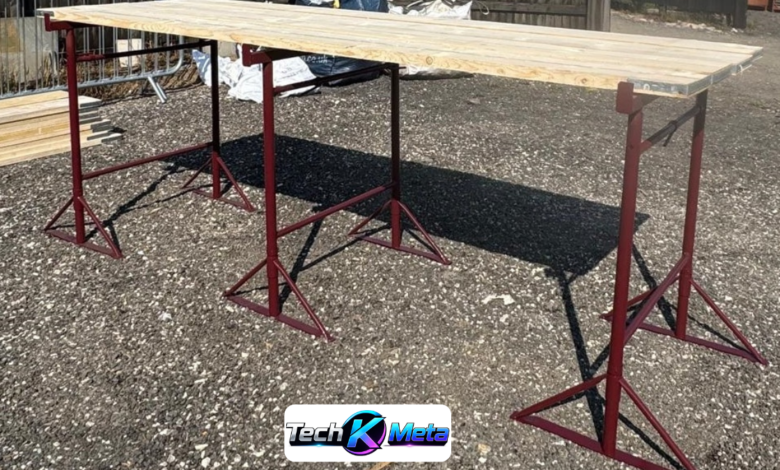
Builders trestles are a simple yet highly useful piece of equipment found on building sites, workshops, garages and home renovation projects across the UK. Designed to provide dependable support for boards and working surfaces, they can help create a practical temporary workspace at a comfortable height. Their straightforward construction makes them easy to transport, position and store, while different designs allow users to choose equipment suited to particular jobs.
Whether you are a professional tradesperson, keen DIY enthusiast or homeowner planning a renovation, choosing the right support equipment can make work more convenient and organised. Builders trestles can be useful for painting, decorating, carpentry, plastering and many other tasks. However, safe use depends on selecting an appropriate model, respecting its load capacity and following the manufacturer’s instructions carefully.
What Are Builders Trestles Used For?
Builders trestles are primarily used to support boards, materials and temporary work surfaces during practical projects. By raising a suitable surface from the floor, they can provide a more convenient working position for tasks that might otherwise require bending or kneeling. This makes them particularly useful for cutting materials, preparing surfaces, painting and carrying out general construction work.
Their versatility also makes them popular with DIY users. Builders trestles can be useful when creating a temporary workbench in a garage, supporting materials during decorating or providing a convenient surface for woodworking. Folding versions are especially practical because they can be transported easily and stored away after the project has finished, making them suitable for homes with limited storage.
Types of Builders Trestles Available
There are several types of builders trestles, with each design offering different characteristics. Steel models are often chosen for their robust construction and durability, while aluminium alternatives can provide useful strength with less weight. Fixed-height products offer a straightforward design, whereas adjustable versions allow users to change the working height according to the requirements of a particular task.
Folding builders trestles are another popular option for both professionals and homeowners. Their folding mechanism makes transportation considerably easier, particularly when equipment needs to be moved between different rooms or job sites. Heavy-duty models may be appropriate for demanding applications, but the stated load rating should always be checked before use rather than assuming that a heavier-looking product can support any load.
How to Choose the Right Builders Trestles
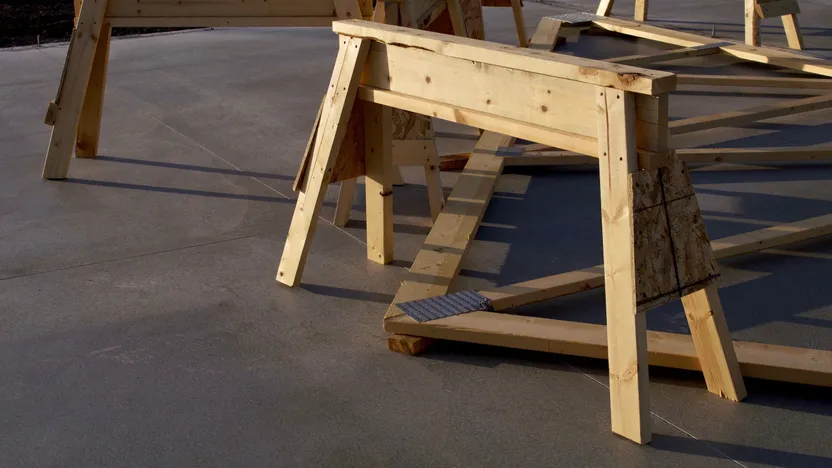
Choosing suitable equipment begins with identifying what the trestles will actually be used for. Consider the required working height, expected load and type of surface that will be supported. The maximum load rating is particularly important because placing excessive weight on a product can affect its stability and may create a serious safety risk during work.
Construction quality should also be considered before buying. Examine the frame, joints, feet and locking mechanisms, and look for a design that feels stable and appropriate for the intended environment. Adjustable models can provide greater flexibility, while lightweight folding options may be better for frequent transportation. A sensible purchase should be based on specifications and suitability rather than price alone.
Builders Trestles and Working Platforms
Builders trestles can sometimes be used with suitable boards or other compatible components to create temporary working surfaces. However, users should never assume that any board placed across two trestles automatically creates a safe platform. The supporting equipment, board and overall arrangement need to be suitable for the intended load and application, with proper stability maintained throughout the work.
Particular care is required whenever an elevated working area is created. Uneven spacing, unsuitable materials or excessive loading can make a setup unstable. Anyone using trestles as part of a working platform should follow the manufacturer’s instructions and consider relevant UK requirements for work at height and workplace safety. Improvised alterations should always be avoided.
Builders Trestles Safety Tips
Safe operation should be considered before any equipment is loaded or used. Inspect the frame, legs, joints, feet and locking mechanisms for signs of damage, bending, cracks or excessive wear. If a component appears defective, the equipment should not simply be used with a temporary repair. Damaged equipment should be removed from service until it has been properly assessed or replaced.
Builders trestles should be positioned on a firm, stable and suitable surface. Users should stay within the manufacturer’s stated load capacity and distribute materials sensibly rather than concentrating excessive weight in one area. The surrounding workspace should also be kept clear of unnecessary obstacles. Following the manufacturer’s instructions provides an important foundation for using the equipment responsibly and safely.
Builders Trestles for Professional and DIY Projects
Professional tradespeople may use trestles frequently for decorating, carpentry, building and maintenance work. For these users, durability, portability and reliable locking systems can be particularly valuable. Equipment that is regularly loaded, folded and transported needs to withstand repeated handling, so build quality can become more important than saving a small amount on the initial purchase.
For occasional DIY projects, a different balance may be appropriate. Homeowners may prefer lightweight folding equipment that can be stored in a shed, garage or cupboard when it is not required. The ideal choice depends on the type of project, available storage and expected frequency of use. Selecting equipment specifically for the job helps avoid unnecessary expense while maintaining practical performance.
Buying or Hiring Builders Trestles in the UK
Buying can be a sensible choice when trestles are likely to be used regularly. Before purchasing, compare the product’s dimensions, working height, material, load capacity and folding or adjustment features. It is also worth considering how easily the equipment can be transported and where it will be stored. A slightly more suitable product can often provide better long-term value than the cheapest available option.
Hiring may make more sense for a one-off renovation or short project. It can provide access to suitable equipment without creating a permanent storage requirement. Whether buying or hiring, users should check the condition of the equipment before use and ensure the specifications match the planned application. Second-hand equipment should receive particularly careful inspection for damage, corrosion, missing parts and worn mechanisms.
Maintaining and Storing Builders Trestles
Good maintenance can help keep equipment reliable for longer. After completing a project, remove dust, paint, plaster and other debris from the frame and moving parts. Regularly inspect bolts, joints, feet and locking mechanisms for signs of loosening or damage. Metal components should also be kept as dry as practical to reduce the possibility of corrosion developing over time.
Correct storage is equally valuable. Folding trestles should be collapsed according to the manufacturer’s instructions and stored somewhere dry and secure. Avoid placing excessive weight on stored equipment or leaving it where vehicles, tools or other objects could damage the frame. A quick inspection before every new project can help identify problems before the equipment is placed under load.
Common Mistakes to Avoid When Using Builders Trestles
One of the most common mistakes is setting equipment up on an unsuitable surface. Even a strong trestle can become unstable when positioned carelessly. Another frequent error is exceeding the manufacturer’s load rating or placing heavy materials unevenly. Users should calculate the combined weight of the materials and working surface rather than relying on visual judgement.
Improvised modifications can create further problems. Users should not drill, bend or alter components to make equipment fit a particular purpose unless the manufacturer specifically permits it. Trestles should not be used as steps unless they are expressly designed for that purpose. Damaged frames, loose connections and faulty locking systems should also never be ignored.
Key Benefits of Builders Trestles
One of the main advantages of builders trestles is their flexibility. They can provide temporary support without requiring a permanent workbench, making them useful for projects where workspace requirements change regularly. Their relatively simple construction also means that many models can be folded, transported and stored with minimal effort, which is particularly valuable for tradespeople working at different locations.
Another benefit is their wide range of applications. The same suitable pair can potentially support different tasks throughout a project, from preparing materials to creating a temporary work surface. When users select the correct model and operate it according to the manufacturer’s guidance, the equipment can become a practical and reusable addition to a professional toolkit or household workshop.
Conclusion
Builders trestles remain a useful solution for creating temporary support during construction, decorating, woodworking, renovation and DIY projects. With options ranging from lightweight folding designs to more robust models, users can select equipment according to their particular requirements. The most important considerations include load capacity, working height, stability, construction quality and ease of storage.
Safe use should always take priority over convenience or price. Inspect equipment before use, position it on a suitable surface, follow the manufacturer’s instructions and never exceed the stated load capacity. By choosing carefully and maintaining equipment properly, users can enjoy a practical and versatile support solution for a wide variety of building and home improvement tasks.
Frequently Asked Questions
What are builders trestles used for?
Builders trestles provide temporary support for boards, work surfaces and suitable platforms during building, decorating and DIY projects.
How much weight can builders trestles support?
The load capacity varies by model, so always follow the manufacturer’s specified maximum weight.
Are folding builders trestles useful?
Yes, folding builders trestles are convenient for transportation, storage and occasional building or DIY work.
Are steel or aluminium trestles better?
Steel offers robust durability, while aluminium is generally lighter and easier to transport.
Can builders trestles support a work platform?
Some models can support suitable platforms, but users must follow manufacturer instructions and relevant safety requirements.
How should builders trestles be maintained?
Inspect, clean and store them properly, while regularly checking frames, joints, feet and locking mechanisms.
Should I buy or hire builders trestles?
Buying suits frequent users, while hiring can be more practical for short-term or occasional projects.
Are builders trestles safe to use?
They can be used safely when correctly positioned, inspected regularly and operated within the manufacturer’s stated limits.
Also Read: santa dash liverpool