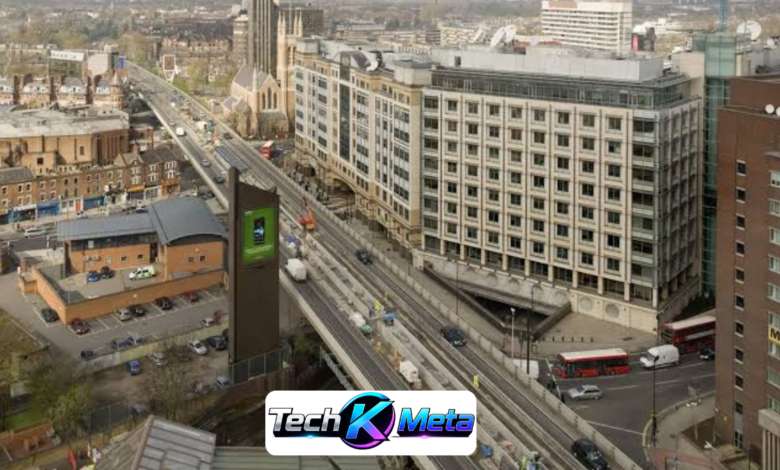
Hammersmith Flyover is one of the most important transport structures in West London, serving as a vital route for thousands of commuters, drivers, and businesses every day. Located in the busy Hammersmith area, this elevated road was created to improve traffic movement and provide a more efficient connection between major routes. Over several decades, it has become a familiar part of London’s landscape and transport history.
The story of Hammersmith Flyover reflects the changing needs of a growing city. From its original construction to modern improvements, the structure demonstrates how older infrastructure can be maintained and adapted for future generations. It remains an excellent example of British engineering, showing how careful planning and investment can help important transport systems continue serving communities effectively.
The History Behind Hammersmith Flyover
The development of Hammersmith Flyover began during a period when London was experiencing significant changes in population growth, business activity, and vehicle ownership. As more people travelled by road, many areas faced increasing congestion problems. Hammersmith was already an important transport location, so planners needed a solution that could improve traffic flow without causing further disruption to the surrounding area.
Opened in the 1960s, Hammersmith Flyover was introduced as a modern answer to London’s transport challenges. The structure represented the ambition of post-war engineering projects, where elevated roads were seen as an effective way to manage busy city traffic. Since then, it has remained a key part of West London’s road network and an important symbol of urban development.
Engineering Design and Construction of Hammersmith Flyover
The design of Hammersmith Flyover was based on advanced engineering principles that allowed vehicles to move above busy roads below. The elevated structure helped separate traffic movements, reducing delays and improving connections through one of London’s busiest districts. The construction process required careful planning, strong materials, and detailed engineering knowledge to create a safe and reliable roadway.
Over the years, the engineering behind Hammersmith Flyover has continued to attract interest because of its durability and adaptability. Like many major structures built decades ago, it required regular inspections and improvements to maintain its strength. Modern engineering techniques have played a major role in extending its lifespan and ensuring that it remains suitable for today’s transport demands.
Important Facts About Hammersmith Flyover
Hammersmith Flyover is widely recognised as a major feature of West London’s transport system. It carries a large volume of traffic and provides an essential connection for people travelling through the Hammersmith area. Its elevated design makes it visually distinctive, separating it from many other road structures across the capital.
One of the most interesting aspects of Hammersmith Flyover is how it has changed over time while keeping its original purpose. Although the structure was built many years ago, improvements have allowed it to meet modern safety standards. It represents the importance of preserving useful infrastructure rather than replacing it completely when challenges arise.
Repairs and Improvements to Hammersmith Flyover
Like many large transport structures, Hammersmith Flyover has required significant maintenance throughout its lifetime. Over time, engineers identified areas where strengthening work was necessary to protect the structure and ensure continued safety. These repair projects involved detailed inspections, modern construction methods, and careful planning to minimise disruption for road users.
The improvements made to Hammersmith Flyover demonstrate how modern technology can help protect historic infrastructure. Instead of removing the structure, engineers focused on upgrading and strengthening it for future use. These projects have helped maintain its reliability while allowing the flyover to continue supporting the movement of people and goods across West London.
The Role of Hammersmith Flyover in London Transport
Hammersmith Flyover plays an important role in keeping traffic moving through a busy part of London. Every day, commuters rely on the route to travel between different areas of the capital, while businesses benefit from the improved connections it provides. Without this important structure, surrounding roads could experience greater pressure and increased congestion.
The importance of Hammersmith Flyover goes beyond daily travel. It supports economic activity, helps local businesses receive deliveries, and provides a practical route through a heavily developed urban environment. As London continues to grow, maintaining major transport links like this remains essential for keeping the city connected and accessible.
Hammersmith Flyover and the Changing West London Area
West London has experienced major transformation since Hammersmith Flyover was first introduced. The surrounding area has developed into a vibrant location with offices, shops, residential buildings, and improved transport services. Despite these changes, the flyover has continued to serve the same fundamental purpose of helping people move efficiently through the area.
Public opinions about large urban structures can vary, but Hammersmith Flyover has become an important part of the local identity. For some residents, it represents a piece of London’s engineering heritage, while for others it is a practical transport solution. Its continued presence highlights the challenges of balancing historic infrastructure with modern city planning.
The Future of Hammersmith Flyover
The future of Hammersmith Flyover will depend on continued investment, regular maintenance, and adaptation to changing transport priorities. As London focuses on cleaner travel options and more sustainable movement, existing road structures must continue evolving alongside new transport solutions.
Despite changes in how people travel, Hammersmith Flyover is expected to remain a valuable part of West London’s infrastructure. With appropriate care and improvements, the structure can continue supporting commuters and businesses for many years. Its history proves that well-maintained infrastructure can successfully adapt to the needs of a modern city.
Conclusion
Hammersmith Flyover is more than just a road structure; it is a significant part of London’s transport story. From its construction during a period of rapid development to its modern improvement projects, the flyover has shown remarkable resilience and importance. It continues to provide a practical solution to transport challenges in one of the capital’s busiest areas.
The lasting value of Hammersmith Flyover comes from its ability to adapt. Through engineering upgrades, regular maintenance, and careful planning, it has remained a reliable transport link for generations. As London continues changing, this iconic structure will remain an important reminder of the city’s commitment to innovation and effective infrastructure.
Frequently Asked Questions
What is Hammersmith Flyover?
Hammersmith Flyover is an elevated road structure located in West London that helps vehicles travel efficiently through the busy Hammersmith area. It was designed to reduce congestion and improve connections between important routes.
When was Hammersmith Flyover built?
Hammersmith Flyover was built and opened during the 1960s as part of London’s efforts to improve road transport and manage increasing traffic levels.
Why was Hammersmith Flyover constructed?
The structure was created to reduce traffic congestion in Hammersmith by allowing vehicles to travel above busy roads and improving the overall movement of traffic.
Has Hammersmith Flyover been improved?
Yes, Hammersmith Flyover has undergone major repair and improvement work to strengthen the structure, improve safety, and extend its operational life.
Why is Hammersmith Flyover important today?
Hammersmith Flyover remains important because it supports daily travel, helps reduce pressure on nearby roads, and provides a key connection within London’s transport network.
Will Hammersmith Flyover continue operating in the future?
With regular maintenance and continued investment, Hammersmith Flyover is expected to remain a valuable part of West London’s transport infrastructure.
Also Read: upavon wiltshire