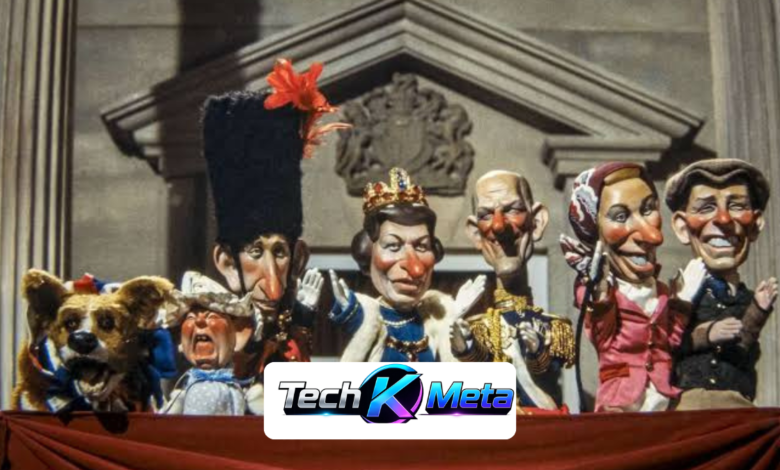
Spitting Image puppets became one of the most recognisable symbols of British television satire, combining creative design, comedy, and political commentary in a unique way. First introduced through the famous television programme Spitting Image, these exaggerated figures captured the personalities of politicians, celebrities, and public figures through humorous and memorable designs. Their unusual appearance and clever storytelling helped transform traditional puppetry into a powerful form of entertainment.
The popularity of Spitting Image puppets was built on their ability to make audiences laugh while also encouraging conversations about society, politics, and popular culture. Unlike ordinary television characters, these puppets represented real people with exaggerated features that highlighted their public image. This creative approach allowed the show to become a major part of British comedy history and remain relevant for generations.
The Origins and History of Spitting Image Puppets
The story of Spitting Image puppets began during the early 1980s when creators Peter Fluck and Roger Law developed an idea for a television programme that would use satire to comment on current affairs. They wanted to create a show that could challenge powerful figures while entertaining viewers. The result was a groundbreaking comedy series that quickly attracted attention throughout the United Kingdom.
When Spitting Image first appeared on television, audiences were fascinated by the unusual style of puppetry and fearless humour. The show introduced viewers to exaggerated versions of famous personalities, making political discussions more accessible and entertaining. Over time, Spitting Image puppets became closely associated with British satire and helped establish a new approach to television comedy.
The Creative Process Behind Spitting Image Puppets
Creating Spitting Image puppets required a combination of artistic skill, technical knowledge, and careful observation. Designers studied photographs, interviews, and public appearances of famous individuals before developing exaggerated versions of their faces. Every detail, from facial expressions to clothing choices, was considered carefully to ensure the puppet reflected the personality of the person being portrayed.
The production process involved sculptors, painters, costume designers, and puppeteers working together to create each character. The heads were usually made from flexible materials that allowed movement and expression during filming. This detailed craftsmanship helped Spitting Image puppets achieve their famous appearance and made them instantly recognisable to audiences.
Famous Characters and Memorable Spitting Image Puppets

Throughout its history, Spitting Image featured hundreds of memorable characters based on well-known figures from politics, entertainment, and international affairs. British politicians were among the most frequently featured personalities, with their public images transformed into humorous and exaggerated puppet versions. These characters often became as famous as the real individuals they represented.
Royal figures, musicians, actors, and world leaders also appeared as Spitting Image puppets, creating some of the show’s most talked-about moments. The creative team used comedy and exaggeration to highlight personality traits, public behaviour, and media appearances. Many of these characters remain remembered today because of their distinctive designs and entertaining performances.
The Impact of Spitting Image Puppets on British Comedy
Spitting Image puppets had a significant influence on British comedy by proving that satire could be both entertaining and meaningful. The programme showed that puppetry was not limited to children’s entertainment but could also be used to explore serious topics through humour. This approach inspired many future comedy shows that focused on politics and current events.
The success of Spitting Image puppets also demonstrated the importance of creative freedom in television. The show was willing to challenge public figures and discuss controversial subjects in a humorous way. This fearless style helped shape the future of British satire and created a lasting connection between comedy and social commentary.
The Art and Craft Behind the Iconic Puppets
The artistry behind Spitting Image puppets remains one of the most impressive aspects of the series. Each puppet required detailed planning, from the first sketches to the final performance. Artists carefully balanced realistic features with exaggerated elements to create characters that were both recognisable and entertaining.
Behind every puppet was a team of talented professionals who brought these creations to life. Puppeteers developed unique movements and expressions, while voice performers added personality through clever impressions and scripts. This combination of visual design and performance skill made the puppets more than simple objects; they became unforgettable television personalities.
The Lasting Legacy of Spitting Image Puppets
The influence of Spitting Image puppets continues to be felt in modern entertainment. Their unique style of satire remains an example of how creativity can be used to comment on important issues. Even years after the original series ended, fans continue to discuss favourite characters and memorable moments from the programme.
The revival of Spitting Image introduced these iconic puppets to a new generation of viewers. Modern audiences discovered the same combination of humour, creativity, and political commentary that made the original series successful. The continued interest proves that Spitting Image puppets are not simply part of television history but remain an important part of British cultural identity.
Why Spitting Image Puppets Remain Popular Today
The continued popularity of Spitting Image puppets comes from their ability to connect humour with real-world events. People enjoy satire because it offers a different perspective on familiar personalities and situations. The exaggerated designs allow audiences to recognise public figures while also seeing a humorous interpretation of their image.
Another reason for their lasting appeal is the craftsmanship involved in creating each puppet. In an age dominated by digital effects and computer-generated characters, the handmade quality of these creations feels unique and authentic. Spitting Image puppets represent a time when artistic skill, imagination, and traditional techniques combined to create memorable entertainment.
Conclusion
Spitting Image puppets remain one of the greatest achievements in British television satire, combining artistic creativity with sharp humour and social observation. From their early beginnings in the 1980s to their modern revival, these remarkable creations have entertained audiences while providing a humorous reflection of public life.
The legacy of Spitting Image puppets continues because they represent more than comedy characters. They showcase the power of creativity, craftsmanship, and satire in shaping popular culture. Their unforgettable designs and fearless approach ensure that they will remain an important part of British television history for many years to come.
Frequently Asked Questions
What are Spitting Image puppets?
Spitting Image puppets are handcrafted latex caricatures created for the British satirical television programme Spitting Image.
Who created the Spitting Image puppets?
The famous puppets were created by talented artists and designers, including Roger Law and Peter Fluck, alongside a skilled production team.
Why are Spitting Image puppets so famous?
They became famous because of their exaggerated appearance, clever humour, and fearless satire of politicians, celebrities, and public figures.
What materials were used to make Spitting Image puppets?
Most Spitting Image puppets were made using sculpted moulds, latex, detailed paintwork, and custom-made costumes.
Is Spitting Image still available today?
Yes. Classic episodes remain popular, and the programme has also been revived for modern audiences through newer productions.
Why are Spitting Image puppets important in British television?
They revolutionised political satire by combining exceptional puppetry, comedy, and social commentary, making them an enduring symbol of British television history.
Also Read: witchampton